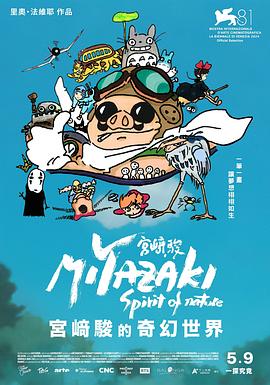
宫崎骏:自然之魂
For over 50 years, Hayao Miyazaki has been enchanting the world with his films. Tonari no Totoro (My Neighbor Totoro), Mononoke-hime (Princess Mononoke), Sen to Chihiro no kamikakushi (Spirited Away), or his latest film Kimitachi wa dō ikiru ka (The Boy and the Heron), to name only a few of eleven feature films, ten short films, several manga, and also through Studio Ghibli, a museum and a theme park. They form a luminous body of work and characters that have become cult classics. Miyazaki’s films, often autobiographical, also reflect the state of the world and the turmoil of the twentieth and twenty-first centuries, made of wars and ecological disasters. He was born in Japan in 1941, during World War II. As a child, he immersed himself in drawing manga until he had a revelation upon discovering Hakuja den (The White Snake Enchantress), the first Japanese colour animated film by Taiji Yabushita. From then on, he decided to devote his life to animation, this magical art capable of overcoming the darkness that had always deeply inhabited him... Thanks to exceptional access granted by Studio Ghibli to numerous film excerpts and rare Japanese television archives, we discover the life of Miyazaki as well as a profoundly ecological body of work that questions our relationship with the natural world and living beings. Thinkers like anthropologist Philippe Descola or philosopher Timothy Morton, as well as close associates, his son and film director Gorō Miyazaki, and Toshio Suzuki, his longtime producer and friend, bring us closer to this tireless, obsessive, and mysterious artist.
 婴儿车攻略
婴儿车攻略
 看不见的世界:超越肉眼
 越南:改变美国的战争
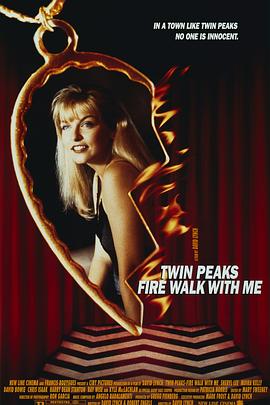 双峰:与火同行
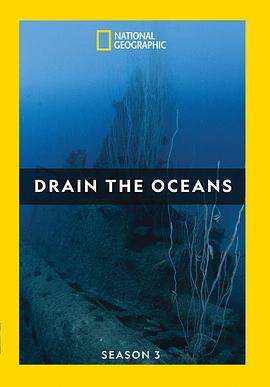 海底大揭秘第三季
 约翰·列侬谋杀案:审判疑云
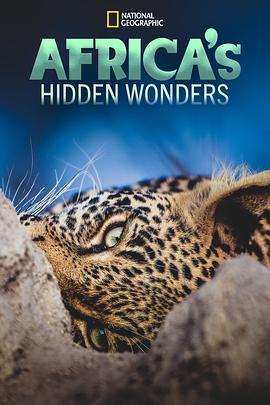 非洲隐密珍宝第一季
 队长视角:问鼎冠军之路
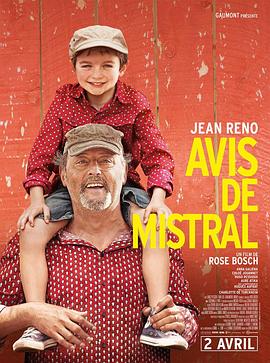 普罗旺斯的夏天
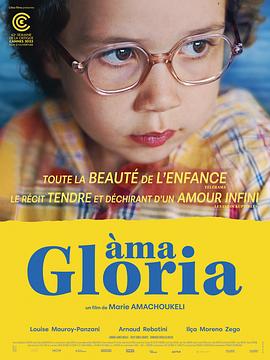 亲爱的格洛莉亚
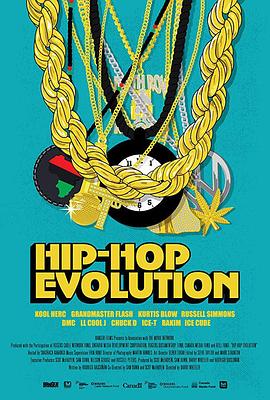 嘻哈进化史第二季
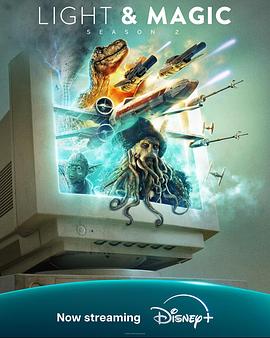 光影与魔法第二季